White fish internal temperature: how to cook cod and other white fish perfectly

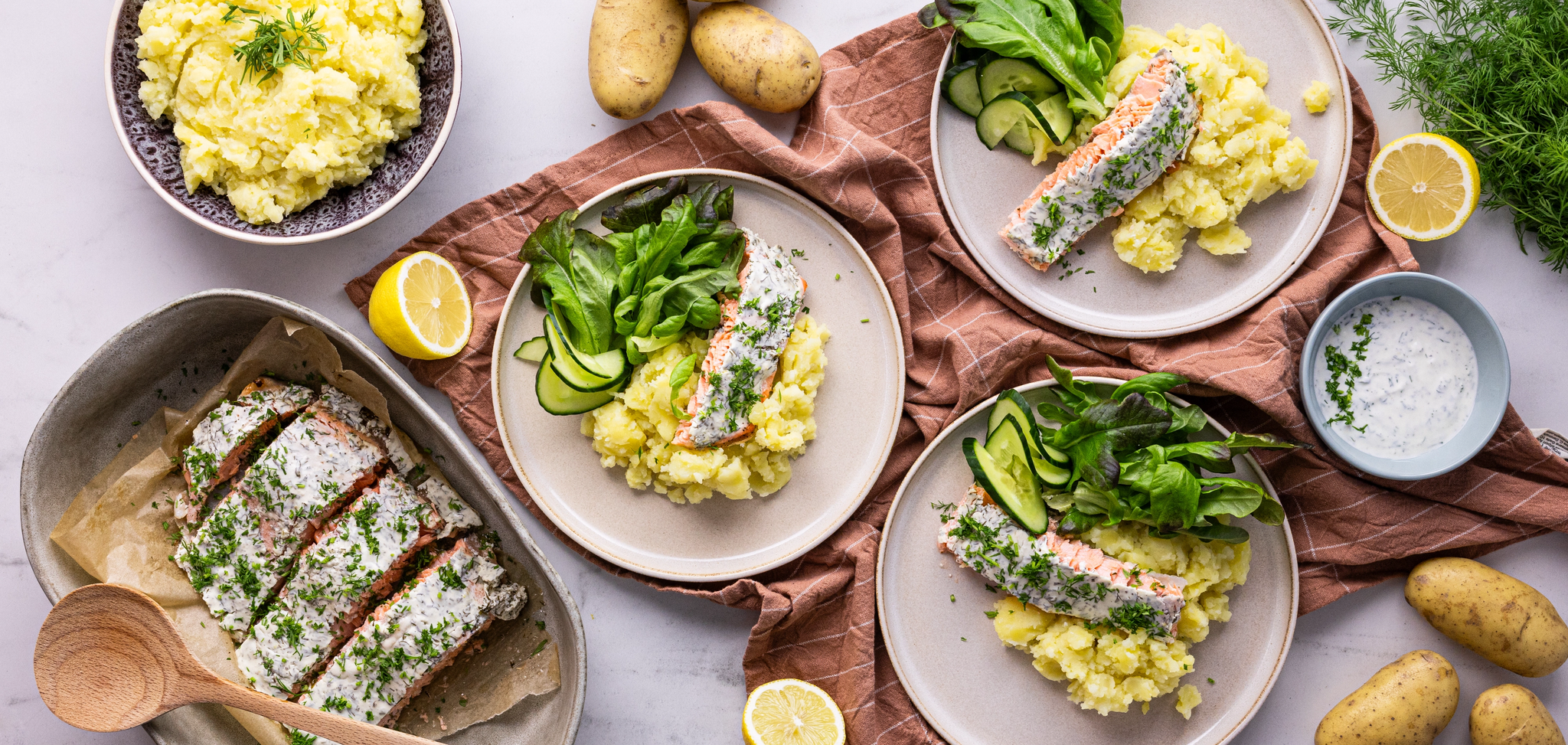
Cod, pollock, pike-perch and whitefish are some of the easiest fish for everyday cooking: they cook quickly, taste mild and go with almost any sauce. That speed is also what makes them delicate. A few extra minutes in the oven and a juicy fillet turns dry and mealy. Just like with salmon, the key to success is the internal temperature.
In this guide we explain what temperature to cook white fish to, how to measure it correctly, how to tell when fish is done without a thermometer and how the different species compare.
What is the right internal temperature for white fish?
The short answer: white fish is at its juiciest when the internal temperature is between 50 and 55 °C. At around 50 °C the centre is still slightly glassy and very moist. At around 55 °C it is cooked through, flaky and still tender. Many chefs, as well as the Swedish meal kit service Linas Matkasse, recommend about 52 °C for cod.
If you want the fish to be fully cooked, bring the internal temperature to at least 60 °C. The European Food Safety Authority (EFSA) notes that heating above 60 °C for at least one minute destroys any parasites that may be present in fish. Always cook home-caught freshwater fish thoroughly and follow local food safety guidance. For pregnant women, young children and older people, fully cooked fish is the safest choice.
Cod, pike-perch and whitefish: how do they differ?
Cod and pollock
Cod has large, juicy flakes and a mild flavour. A thick loin handles the oven well, while a thin tail piece cooks in a pan in a couple of minutes. Pollock is firmer and slightly darker but cooks at the same temperatures.
Pike-perch
Pike-perch is firm, lean and boneless when sold as fillets. Because it is so lean it dries out easily, so keep the internal temperature closer to 55 than 60 °C.
Whitefish
Whitefish is fattier than cod or pike-perch, so it forgives a little overcooking. It is excellent pan-fried skin side down.
Lemon, capers and butter suit all of these fish, as in our cod with lemon caper sauce and mashed potatoes.
White fish internal temperatures at a glance
Around 50 °C: very juicy and still slightly glassy in the centre. Best for fresh fish from a trusted source.
Around 55 °C: cooked through and flaky but still moist. A good target for most everyday dishes.
At least 60 °C: definitely cooked. Holding this temperature for at least a minute also destroys any parasites.
Above 65 °C: lean white fish starts to dry out and turn mealy.
Take the fish off the heat about two degrees early, because it keeps cooking for a moment.
Always measure in the thickest part of the fillet, with the probe tip in the centre rather than at the bottom.
Without a thermometer: cooked fish is opaque all the way through and flakes easily with a fork.
How to measure the internal temperature
Insert the tip of a probe thermometer into the thickest part of the fish from the side, so the tip sits in the centre and does not touch the bottom of the dish. With thin fillets, measuring from the side is the only way to get a reliable reading. Take the fish off the heat about two degrees before your target, because it keeps cooking for a moment in the dish or on the plate.
You can manage without a thermometer too. Cooked white fish is opaque all the way through, no longer shiny or translucent, and it flakes easily when pressed with a fork. If the flakes still resist and the centre looks glassy, give it another minute or two.
Oven, pan or sauce?
In an oven at 175 to 200 °C, a fillet about 2 centimetres thick usually takes 10 to 15 minutes, but always measure, because fillet thickness and ovens vary. In a gentler oven at around 125 °C the fish cooks more slowly and evenly and stays juiciest.
In a pan, a thin fillet is done in a few minutes. Pat the fish dry first, cook over medium heat skin side down and turn it only once. Fish simmered in a sauce or broth is the most forgiving option, because the heat stays moderate and the surface does not dry out. A good example is a pan-fried or gently poached fish fillet.
Frozen fish and storage
Frozen fish is best thawed overnight in the fridge. You will find tips on safe thawing in our guide to freezing and thawing food. Pat thawed fish dry before cooking, otherwise it steams rather than browns in the pan. Keep fresh fish in the coldest part of the fridge and use it on the day of purchase or the next day, following the instructions on the pack.
White fish for everyday dinners
Once you have the internal temperature under control, white fish becomes one of the quickest and most reliable weeknight dinners. For comparison, read our guide to salmon cooking times and internal temperatures, because the target temperatures for fattier salmon differ slightly from white fish. You can find more ideas in our fish recipes.
Juicy fish for busy weeknights
Yummy box brings quality fish, fresh vegetables and step-by-step recipes to your door, with cooking times already worked out. Dinner is ready without guesswork.