How to store garlic – longer shelf life and better flavour

Garlic is one of the hardest-working flavours in the kitchen, yet it often ends up in the bin: cloves sprout, soften or turn mouldy halfway through the week. The reason is almost always where it is kept. Garlic dislikes light, moisture and heat, and it needs air around it.
The best place for a whole bulb
A whole, unpeeled bulb keeps best in a cool, dry, dark place where air can circulate. A cupboard shelf, an open basket or a perforated container all work well. Leave the papery skins on – they protect the cloves from drying out and from moisture.
Why the fridge is not ideal for a whole bulb
A fridge is cold but also humid, and humidity is exactly what makes a whole bulb sprout or go mouldy. If you do keep garlic in the fridge, use a breathable wrapping rather than a plastic bag and check the cloves regularly.
Peeled and chopped cloves are a different story
As soon as a clove is peeled or crushed it becomes a perishable ingredient. Keep peeled cloves in a lidded container in the fridge and use them within a few days. Chopped garlic loses its sharp aroma quickly, so it is better to chop it as you cook.
Seven rules for storing garlic
Keep a whole bulb cool, dry and dark
Let air circulate – no sealed plastic bag
Leave the papery skins on until you use it
Peeled cloves go in a fridge container, use within days
Freeze the surplus as whole or crushed cloves
Always refrigerate garlic preserved in oil
Remove the bitter shoot, discard soft or mouldy cloves
Freezing saves the surplus
When you have a lot of garlic, freezing is the easiest way to avoid waste. You can freeze whole peeled cloves, or crush them and freeze them in portions, for example in an ice cube tray. Frozen garlic softens as it thaws, so it suits cooked dishes rather than fresh salads or dips.
Garlic in oil belongs in the fridge
Garlic preserved in oil at home is a sensitive product in food-safety terms: in oxygen-free oil at room temperature, bacteria that cause serious food poisoning can develop. Always keep garlic in oil in the fridge and use it quickly – or make only as much as you need at once.
Sprouted or soft clove – use it or bin it?
The green shoot in the middle of a clove is not dangerous, but it tastes bitter; remove the shoot and use the rest of the clove as normal. A soft, dried-out or mouldy clove, on the other hand, is best thrown away: mould is not limited to the visible spot. Check the cloves before use and remove a spoiled one straight away so it does not affect the others.
Use your garlic, do not store it
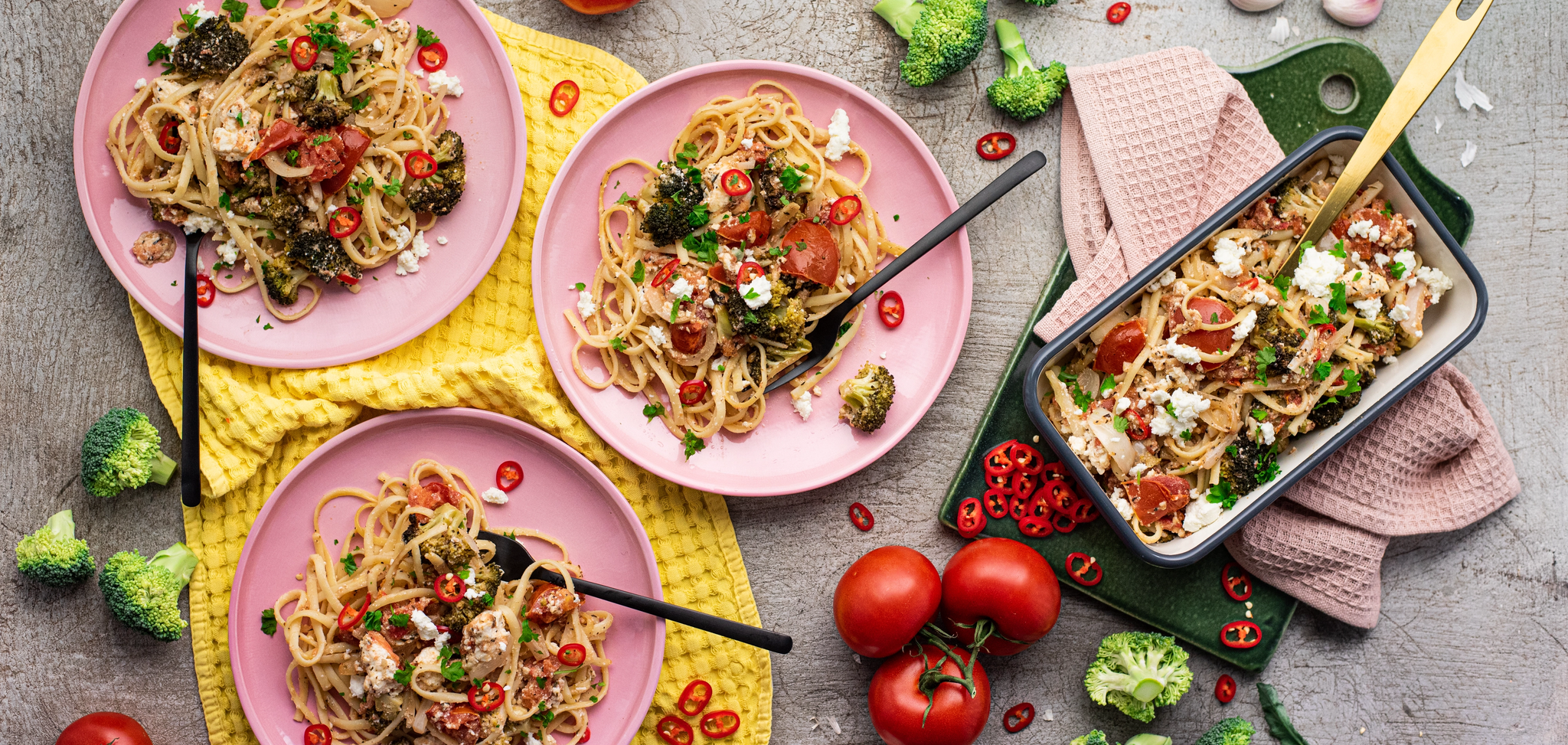
The best storage tip is ultimately rotation: buy what you use and keep the garlic in plain sight. Creamy pasta with cherry tomatoes, kale and bacon is a good example of an everyday dinner where garlic is a key flavour.
Less waste, more flavour on weeknights
Yummy delivers ingredients measured for the recipes, so even the garlic gets used instead of forgotten at the back of the cupboard.