How to Store Food in the Fridge: Simple Tips to Keep Ingredients Fresh Longer

How many times have you found a forgotten salad or a softened cucumber at the back of the fridge? Storing food correctly in the fridge helps keep ingredients fresh for longer, reduces food waste, and saves money. Small everyday habits can have a surprisingly big impact on how long your groceries last.
Every food has its place
Not all fridge shelves are the same temperature. When you put products in the right spot, they last noticeably longer.
Top shelves
Ready meals, yoghurt, cheese and cold cuts usually do best on the top shelves, where the temperature is more stable.
Middle shelves
Milk, cream and other perishables are best kept in the middle of the fridge.
Bottom shelf
The coldest spot is best for meat and fish. Always store them tightly wrapped.
Crisper drawer
Vegetables and fruit keep best in their own drawer, where humidity stays at the right level.
Not everything belongs in the fridge
Many people keep products in the fridge that would actually do better at room temperature — tomatoes, bananas, onions, garlic and potatoes, for example. They easily lose flavour or texture in the cold. Onions and potatoes are best stored in a dry, dark place, not in the fridge.
Fridge storage at a glance
Top shelves: ready meals, yoghurt and cheese — stable temperature
Middle shelves: milk and other perishables
Bottom shelf: meat and fish, always tightly wrapped
Crisper drawer: vegetables and fruit at the right humidity
Give your food room to breathe
An overstuffed fridge doesn't cool properly. When air can circulate, the temperature stays even and food keeps better. Wipe up spills quickly, check dates regularly, and use older products first — a good trick is to move soon-to-expire items to the front, where you'll see them.
Store herbs the right way
Fresh herbs wilt easily, but stored correctly they last much longer. Trim the stem ends, place the herbs in a glass with a little water, cover loosely with a plastic bag, and keep in the fridge. Parsley and coriander, for example, often stay good for several extra days this way.
Make the most of storage containers
Airtight containers help keep food fresh and your fridge organised. Transparent containers make it easy to see what you have on hand. Pre-chopped vegetables also keep better in a closed container or bag, as it helps them retain moisture.
Check your fridge temperature
The recommended fridge temperature is around +2–6°C. A fridge that's too warm shortens shelf life quickly. If you haven't checked the temperature in a while, a small fridge thermometer can be a surprisingly useful tool.
Less waste, more good food
When food stays fresh for longer, everyday cooking gets easier and food waste goes down. A well-organised fridge also makes cooking more enjoyable — and helps you find what you need exactly when you need it.
Try Yummy
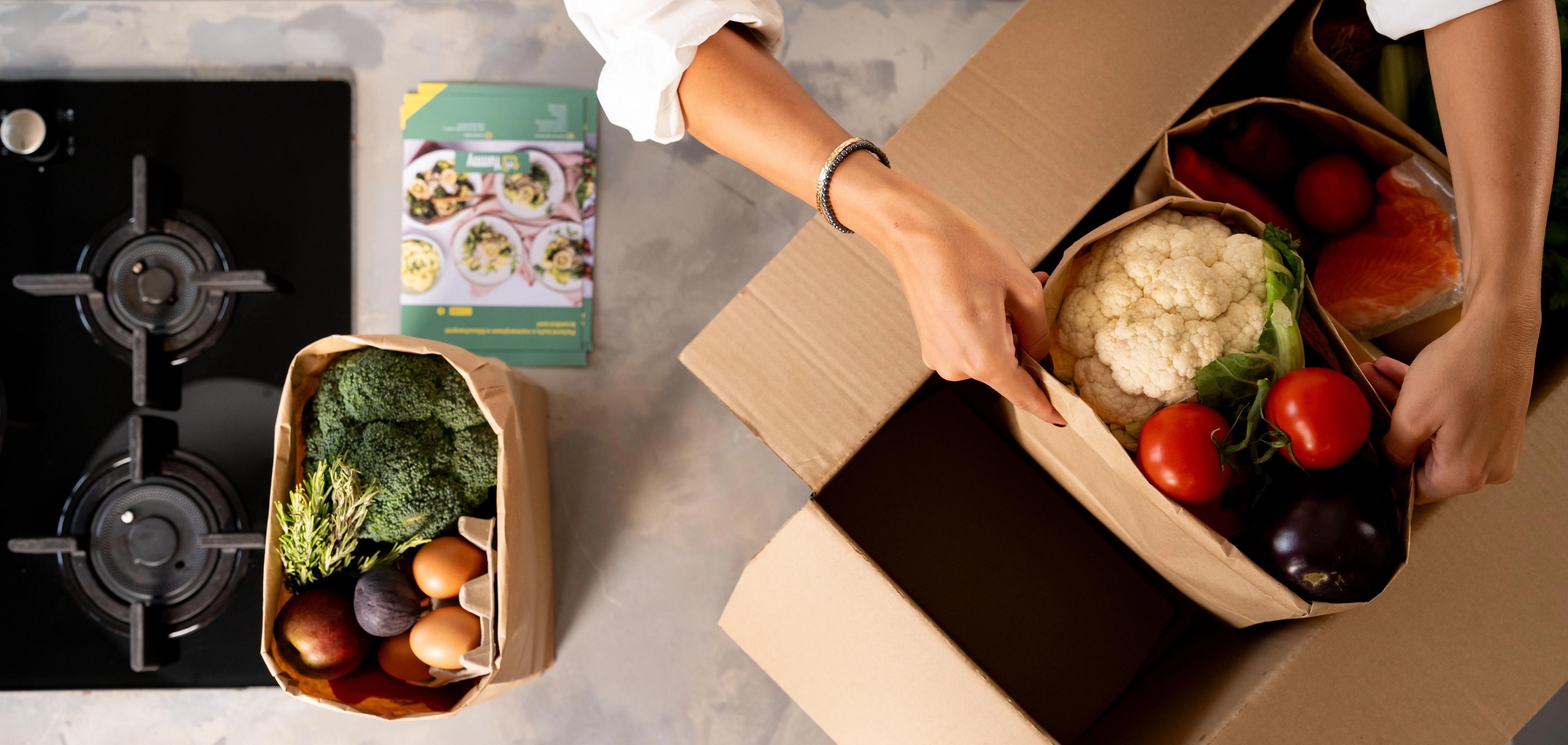
With your fridge in order, everyday cooking gets even easier. Order Yummy and enjoy fresh ingredients delivered straight to your door.