Kitchen Tool Care: How to Clean and Maintain Your Equipment the Right Way

Good kitchen tools make cooking easier, faster and more enjoyable. When you take good care of them, they also last noticeably longer in everyday use. The right kind of cleaning affects everything from knife sharpness to pan lifespan to the general hygiene of your kitchen equipment. Many tools wear out needlessly because of the wrong washing method, moisture, or too rough handling — but with small everyday habits, your tools stay in better shape year after year.
Wash knives by hand
Even though the dishwasher feels like the easy option, sharp knives should always be washed by hand. In a dishwasher, the blade dulls faster, handles can get damaged, and the knife easily knocks against other utensils. High heat and strong detergents also stress the materials more than many people realise.
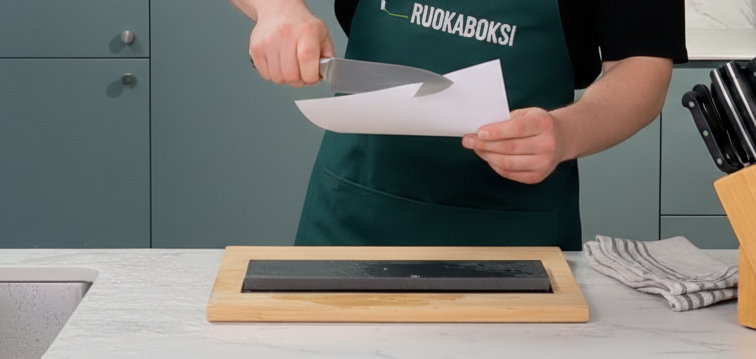
The best way to care for a knife is to wash it in warm water with mild dish soap right after use. When food residue doesn't have time to dry onto the surface, cleaning is gentler too. Dry the knife carefully before storing it, since moisture over time stresses both the blade and the handle. A sharp knife isn't just more pleasant to use — it's also safer.
Wooden surfaces need gentle care
Wooden cutting boards, spoons and spatulas are trusted tools in many kitchens, but wood as a material needs a bit of special care. Long soaking in water or constant dishwasher cycles can make wood crack, warp, or dry out too much.
Wooden tools are best washed by hand and dried right after use. Cutting boards in particular benefit from regular oiling with food-safe mineral oil, which helps maintain the surface's moisture balance and prevents cracks.
Kitchen tool care at a glance
Knives: always wash by hand in warm water and dry immediately
Wooden tools: hand-washing and regular oiling prevent cracking
Non-stick pans: use a soft sponge, never steel wool
Kitchen appliances: clean removable parts and seals regularly
Don't use overly harsh cleaning tools
Steel wool and very abrasive sponges can scratch kitchen tool surfaces surprisingly fast. Non-stick pans, stainless steel and glass surfaces are especially sensitive to scratches, and their look and function can suffer from the wrong kind of cleaning.
Kitchen tools are best cleaned with a soft sponge or cloth, using warm water and a mild detergent when needed. Stubborn grime often lifts more easily if you let the dish soak for a moment instead of scrubbing hard.
Don't forget to clean kitchen appliances regularly
Many people only clean the visible parts of kitchen appliances, even though grease and grime easily build up in a blender's seals, a coffee maker's inner parts, or a food processor's blades. Removable parts should be washed thoroughly, and it's worth checking now and then that no moisture or food residue is left inside.
The right storage extends lifespan
How you store kitchen tools also has a big impact on their durability. Knives stay in better shape when kept in a knife block or on a magnetic strip, rather than rolling around loose in a drawer with other utensils. Placing a protective layer or cloth between pans helps prevent scratches during storage.
A well-maintained tool lasts for years
When you take good care of your kitchen tools, they reward you with years of use. With the right cleaning and storage habits, tools stay clean, safe and pleasant to use year after year. Often the best kitchen tools aren't the newest ones — they're the ones that have been well looked after for a long time.
Try Yummy
Well-maintained tools make cooking more enjoyable. Order Yummy and put your freshly cared-for knife to work with fresh ingredients.