Knife Sharpening and Care: Keep Your Kitchen Knives in Top Shape with These Expert Tips!

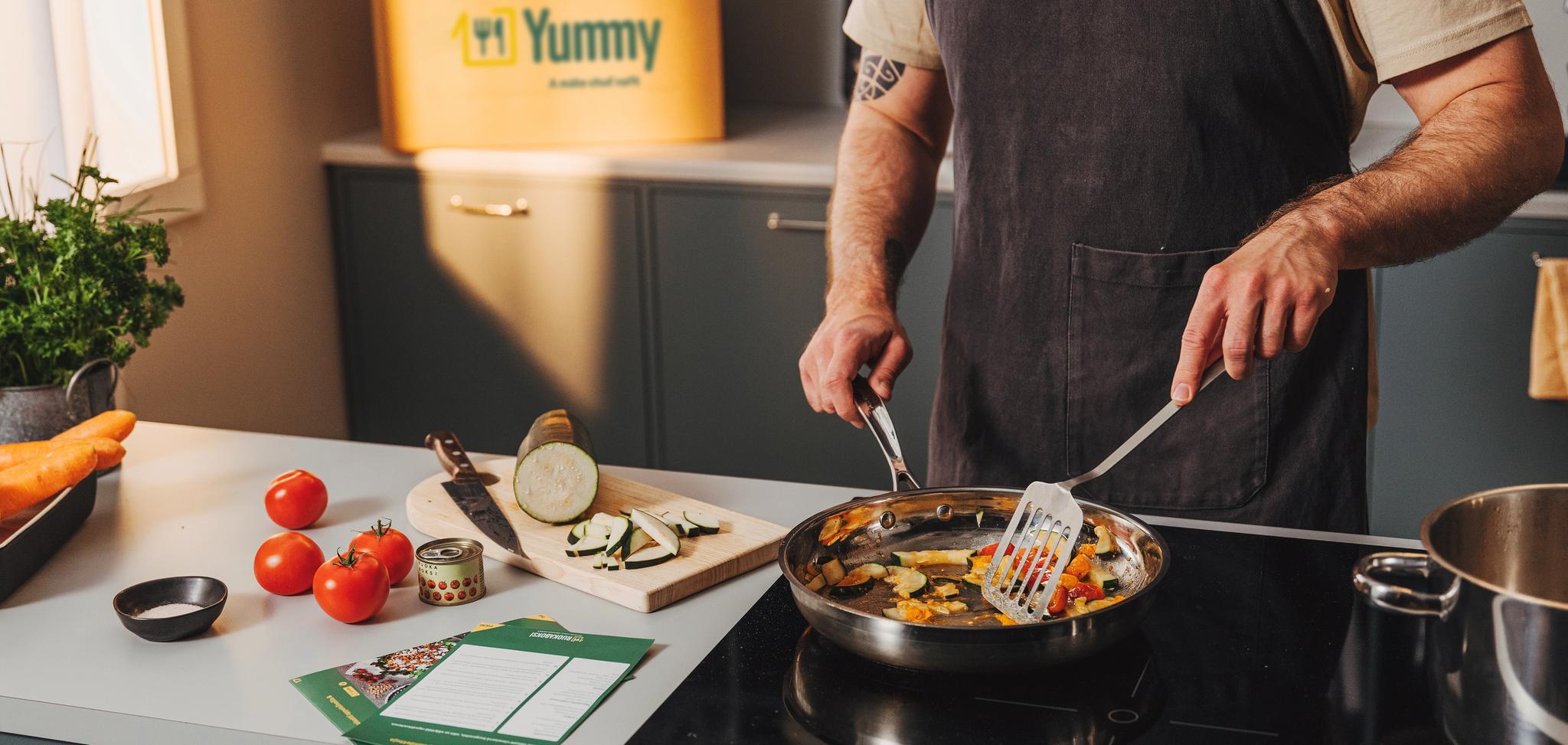
A kitchen knife is a home cook's most important tool—it's the partner you trust every single day. But did you know that a dull knife isn't just annoying, it's actually more dangerous than a sharp one? With a dull knife, you have to press harder, and that's exactly what increases the risk of slipping and injury. When your knife is in good condition, cooking flows like a dance and your ingredients get the treatment they deserve. Yummy's Jussi shares his best tips for knife sharpening and care—with these tips, you'll keep your kitchen knives in top shape year after year!
Don't Make This Mistake: Washing Your Knife
The biggest mistake you can make with your kitchen knife? Putting it in the dishwasher. The dishwasher is a knife's worst enemy: harsh chemicals, high temperatures, and banging against other dishes will dull the blade and can even damage the handle. Even though it seems more convenient, the dishwasher significantly shortens your knife's lifespan.
Golden rules for washing your knife:
- Always hand wash with mild soapy water immediately after use
- Scrub gently with a soft sponge—never use abrasive cleaners or steel wool
- Dry immediately with a clean towel to prevent rust
These simple steps will keep your knife sharp and beautiful for years. A few minutes of hand washing is a small effort compared to keeping your knife in perfect condition.
Knife Sharpening—How to Do It Right
Regular sharpening is the key to a sharp knife. While the idea of sharpening might seem intimidating, it's actually simple once you know the basics. A whetstone or sharpening tool is a home cook's best friend—and once you learn the technique, you'll never want to go back to dull knives.
Choose the Right Angle
The most important thing about sharpening is the angle. Most kitchen knives are sharpened at a 15–20 degree angle. Too steep an angle makes the steel brittle, too shallow won't sharpen properly. A good rule of thumb: imagine holding the knife about the thickness of a coin away from the sharpening surface. This gives you approximately the right angle.
Sharpening Technique
When using a whetstone, move the knife in circular motions along the stone. Start at the base of the blade and pull toward the tip with steady pressure. It's important to maintain the same angle throughout the entire motion—this takes practice, but soon it will start to feel natural.
A few golden tips:
- Don't press too hard—let the whetstone do the work
- Sharpen both sides equally—balance is important
- Start with a coarser stone and finish with a finer one for the final touch
- Sharpen regularly—once a month for a knife in active use
How Do You Know If Your Knife Is Sharp?
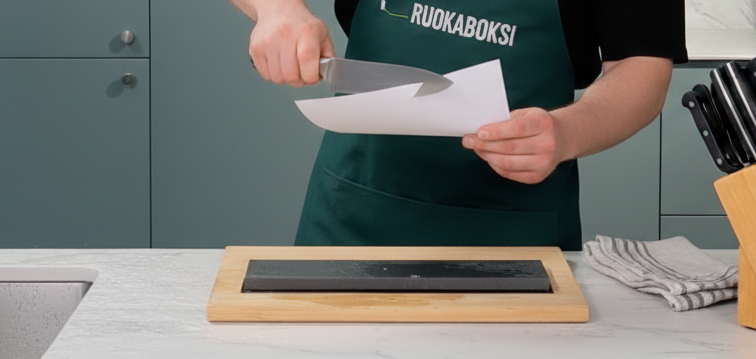
The best way to test your knife's sharpness is the simple paper test. Take a regular A4 sheet of paper and hold it in the air with one hand. Try to cut the paper with the knife from top to bottom. A sharp knife will cut through the paper effortlessly and cleanly, without the paper tearing or wrinkling. If the knife catches, tears, or requires a lot of pressure, it needs sharpening.
Another classic test is the tomato test: a sharp knife will sink into the tomato skin with just the weight of the blade, without you having to press. If you have to saw or press, the knife is dull.
Knife Care at a Glance
Cleaning: Hand washing and immediate drying prevent dulling and rust
Sharpening: 15–20 degree angle regularly ensures safe and easy cutting
Storage: Knife block or magnetic strip so blades don't clash in the drawer
Keeping your kitchen tools in top condition is part of good cooking. A well-maintained knife is a cook's best friend—it makes work more enjoyable, safer, and more efficient. When a knife glides effortlessly through ingredients, you'll notice the difference immediately: chopping is faster, cutting surfaces are cleaner, and cooking feels more professional.
Test Your Sharpening Skills with Fresh Ingredients!
Now that your knife is in top condition, it's time to test your new skills! Order Yummy and enjoy fresh ingredients that deserve a sharp knife's touch.